
Norcold Refrigerator Operating Instructions: A Comprehensive Guide
Welcome! This comprehensive guide unlocks the full potential of your Norcold refrigerator, ensuring years of reliable performance and optimal food preservation within your recreational vehicle.
We’ll navigate setup, operation, maintenance, and advanced features, empowering you to confidently utilize every aspect of your appliance, as of today, 12/04/2025.
Norcold has established itself as a premier manufacturer of refrigeration solutions specifically designed for the demanding environment of recreational vehicles. For decades, they’ve focused on building durable, reliable refrigerators capable of maintaining consistent temperatures even during travel and varying weather conditions.
These refrigerators aren’t simply adapted household units; they are engineered from the ground up to address the unique power sources (12V DC, 110V AC, and propane) commonly found in RVs. Norcold models prioritize energy efficiency and robust construction, utilizing advanced cooling technologies to minimize power consumption and maximize food preservation.
Understanding the core principles of operation – from automatic mode switching to proper ventilation – is crucial for maximizing the lifespan and performance of your Norcold refrigerator. This guide will provide a detailed overview, ensuring you can confidently enjoy fresh food and beverages on all your adventures, starting today, December 4th, 2025.
Understanding Your Norcold Model
Each Norcold refrigerator model possesses unique features and specifications, so identifying your specific unit is the first step towards optimal operation. Locate the model and serial number label, typically found inside the refrigerator compartment or on the exterior rear panel. This information is vital when accessing specific documentation or contacting customer support.
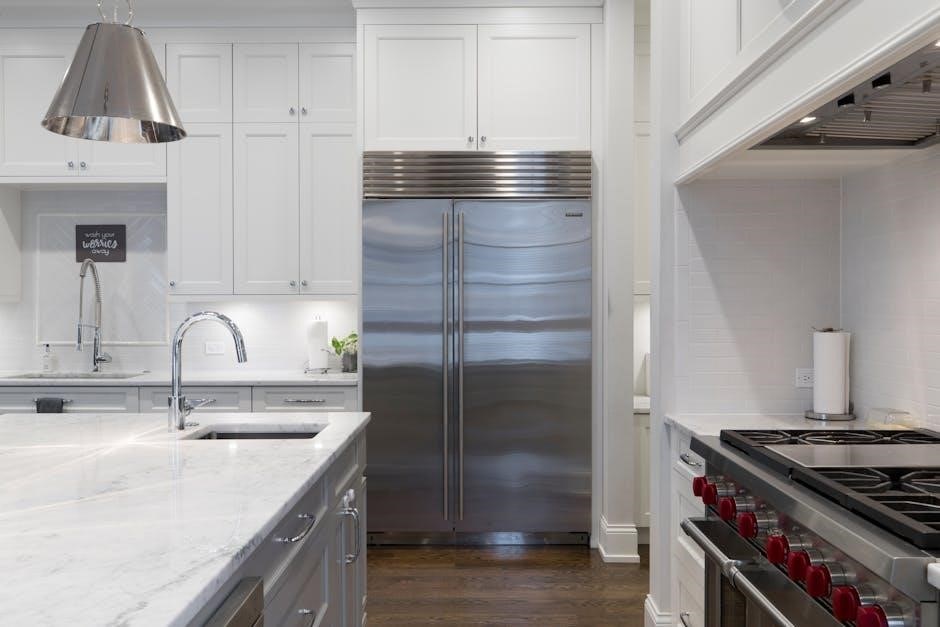
Norcold offers a range of sizes and configurations, from compact models ideal for smaller RVs to larger units with ample storage space. Familiarize yourself with the layout of your refrigerator, including the freezer compartment, adjustable shelving, door bins, and any optional features like an ice maker.
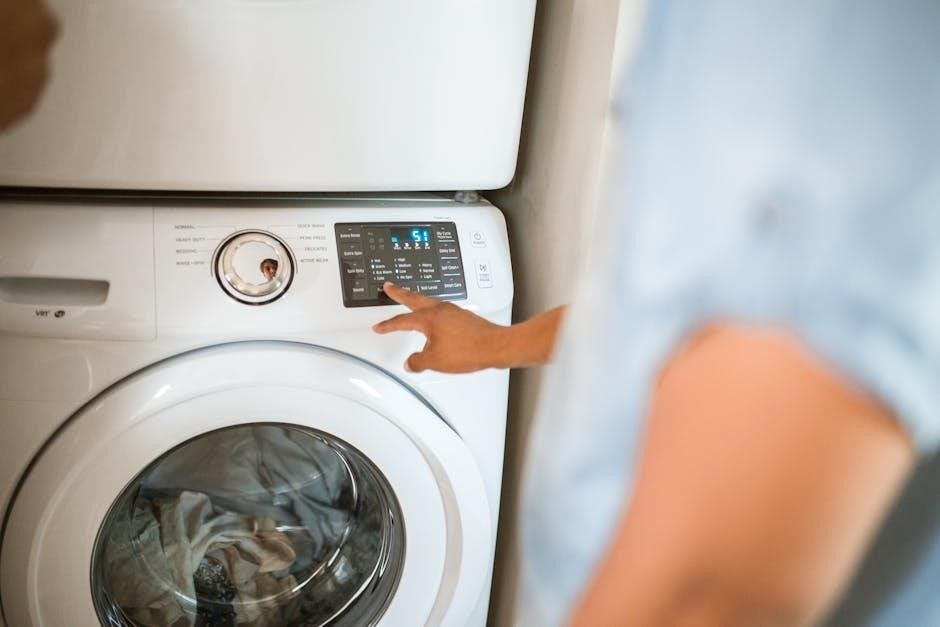
Understanding the control panel – its buttons, displays, and indicators – is also essential. Refer to the wiring diagram for your model to understand the electrical connections and power source options available, as of today, December 4th, 2025.
Safety Precautions
Prioritizing safety is paramount when operating your Norcold refrigerator. Always disconnect the power source (12V, 110V, or propane) before performing any maintenance or cleaning procedures. Never use flammable cleaning agents or solvents inside the refrigerator, as they pose a fire hazard.
If your model utilizes propane, ensure proper ventilation to prevent carbon monoxide buildup. Regularly inspect the propane lines and connections for leaks, and never operate the refrigerator if a leak is suspected. Avoid overloading electrical circuits when operating on 110V power.
Keep the refrigerator’s ventilation openings clear of obstructions to ensure efficient operation and prevent overheating. Do not attempt to repair the refrigerator yourself if you are not qualified; contact a certified technician. As of today, December 4th, 2025, adhere to all local and national safety regulations.

Initial Setup & Installation
Proper installation is key for optimal performance. This section details essential pre-installation checks, leveling procedures, and secure connections to various power sources.
Pre-Installation Checks
Before beginning installation, carefully inspect the refrigerator for any shipping damage – note any dents, scratches, or loose components immediately with the delivery carrier.
Ensure the installation location within your RV meets the specified ventilation requirements, allowing adequate airflow around the unit for efficient cooling; obstructed vents severely impact performance.
Verify the structural integrity of the floor to support the refrigerator’s weight when fully loaded. Confirm sufficient clearance exists for door swing and access to the control panel and interior.
Double-check the availability of appropriate power sources – 12V DC, 110V AC, and propane connections – ensuring they meet the refrigerator’s specifications. Finally, review the complete operating manual to familiarize yourself with all safety precautions and operational guidelines before proceeding.
Leveling the Refrigerator
Proper leveling is crucial for optimal Norcold refrigerator performance. An unleveled unit can cause inefficient cooling, excessive noise, and even damage to the cooling system. Use a bubble level placed on the refrigerator’s top surface, both side-to-side and front-to-back.
Adjust the leveling feet, typically located at the base of the refrigerator, until the unit is perfectly level in both directions. Rotate the feet clockwise to raise that corner and counterclockwise to lower it.
Small adjustments can make a significant difference, so take your time and recheck frequently. A slightly forward tilt can aid door closure, but avoid extreme angles. Secure the leveling feet once the desired level is achieved to prevent shifting during travel.

Connecting to Power Sources (12V, 110V, Propane)
Norcold refrigerators offer versatile power options: 12V DC, 110V AC, and propane. Ensure your power source matches the refrigerator’s requirements before connecting. For 110V AC, use a properly grounded outlet and avoid extension cords if possible. When utilizing 12V DC, connect directly to your RV’s battery system, observing correct polarity.
Propane connection requires a qualified technician to ensure a leak-free and safe installation. Always check for gas leaks using a soapy water solution after connection. Prioritize 110V AC when available for efficient operation.
The refrigerator automatically switches between power sources based on availability, but manual selection is often possible via the control panel.
Operating Modes & Controls
Mastering your Norcold involves understanding electric, propane, and automatic modes, alongside precise thermostat adjustments for optimal cooling and consistent temperature control.
Electric Mode Operation
Utilizing electric power is often the preferred method for operating your Norcold refrigerator, especially when connected to shore power at a campground or utilizing a generator. Ensure a stable 110V AC power source is available and properly connected to the refrigerator’s designated electrical inlet.
Once connected, the refrigerator will automatically switch to electric mode, initiating the cooling process via the compressor. Monitor the internal temperature using the thermostat control, adjusting as needed to maintain desired levels. Electric operation is generally quieter and more efficient than propane, offering consistent cooling performance.
However, be mindful of your power source’s capacity, especially when running other appliances simultaneously. Consistent voltage is crucial for optimal compressor function and longevity. Avoid frequent power fluctuations, as these can impact cooling efficiency and potentially damage the unit. Regularly check the power cord and inlet for any signs of damage or wear.

Propane Mode Operation
Operating your Norcold refrigerator on propane provides a convenient cooling solution when electric power isn’t readily available, such as during boondocking or travel. Before initiating propane operation, ensure the propane tank is full and the shut-off valve is fully open. Carefully follow the lighting instructions detailed in the refrigerator’s manual to ignite the burner safely.
Once lit, the refrigerator will begin cooling using the absorption system. Regularly monitor the flame through the view port, ensuring it remains stable and blue. A yellow or flickering flame indicates a potential issue requiring immediate attention. Propane operation requires adequate ventilation to prevent carbon monoxide buildup; never operate without proper venting.
Be aware that propane consumption can vary depending on ambient temperature and refrigerator usage. Periodically check propane levels and plan refills accordingly. Always prioritize safety when working with propane and adhere to all relevant safety guidelines.
Automatic Mode Explained
Norcold refrigerators’ automatic mode intelligently manages cooling based on available power sources, prioritizing your chosen preference. Typically, this mode defaults to electric operation when 120V AC power is detected, seamlessly switching to propane when AC power is unavailable or interrupted. This ensures uninterrupted refrigeration, maintaining consistent temperatures for your food and beverages.
The refrigerator’s control panel displays the active power source. In automatic mode, the system continuously monitors power availability, making the transition between sources virtually unnoticeable. However, it’s crucial to ensure both power sources are connected and functioning correctly for optimal performance.
Some models allow customization of the power source priority within automatic mode. Refer to your specific model’s manual for detailed instructions on adjusting these settings. Automatic mode offers convenience and peace of mind, simplifying refrigerator operation.
Thermostat Adjustment & Temperature Control
Precise temperature control within your Norcold refrigerator is achieved through the adjustable thermostat. Located inside the refrigerator compartment, the thermostat dial allows you to select your desired cooling level, typically ranging from 1 (warmest) to 5 or 9 (coldest), depending on the model.
Start with a mid-range setting and allow 24 hours for the refrigerator to stabilize. Monitor the temperature using a separate thermometer to fine-tune the setting to your preference. Lower numbers mean warmer temperatures, ideal for less perishable items, while higher numbers provide colder temperatures for optimal food preservation.
Avoid drastic adjustments, as this can strain the cooling system. Remember that ambient temperature and door opening frequency also influence internal temperatures. Consistent monitoring and minor adjustments will ensure optimal performance.
Refrigerator Features & Functions
Explore the versatility! Your Norcold refrigerator boasts innovative features like interior lighting, adjustable shelving, and a spacious freezer, enhancing convenience and organization.
Certain models include an ice maker, adding a touch of luxury to your RV experience.
Interior Lighting System
Illuminating Your Provisions: Your Norcold refrigerator is equipped with a strategically designed interior lighting system to maximize visibility within the refrigerator and freezer compartments.
Typically, this system utilizes energy-efficient LED lighting, providing bright, clear illumination while minimizing power consumption – a crucial benefit for RV applications.
The light is generally activated automatically when the refrigerator door is opened, and deactivated when the door is closed, ensuring convenient operation and extending bulb life.
Troubleshooting the Lighting: If the interior light fails to illuminate, first check if the bulb is securely seated. If the bulb appears intact, consult the troubleshooting section of this manual for further diagnostic steps, potentially involving a fuse check or contacting Norcold customer support.
Regularly inspect the light for any signs of damage or discoloration, replacing it promptly if necessary to maintain optimal visibility.
Freezer Compartment Usage
Optimizing Freezer Performance: The freezer compartment in your Norcold refrigerator is designed for efficient long-term food storage. To maximize its effectiveness, ensure items are properly packaged to prevent freezer burn and maintain freshness.
Utilize airtight containers or freezer bags, removing as much air as possible before sealing. Avoid overfilling the freezer, as this can restrict airflow and reduce cooling efficiency.
Strategic Food Placement: Place frequently used items near the top for easy access. Larger items can be stored at the bottom. Remember to avoid blocking the freezer’s air vents, which are crucial for maintaining consistent temperatures.
Regularly check and discard any items that have been stored for an extended period or show signs of freezer burn. Proper freezer organization and usage will contribute to optimal food preservation and appliance performance.
Adjustable Shelving & Door Bins
Customizing Your Refrigerator Space: Your Norcold refrigerator features adjustable shelving and door bins, allowing for personalized organization to accommodate various food sizes and shapes. The shelves are designed to be easily removed and repositioned, providing flexibility for storing taller items or creating more space for larger containers.
Optimizing Storage: Door bins are ideal for frequently accessed items like condiments, beverages, and smaller jars. Ensure heavier items are placed on lower shelves for stability. Regularly assess your storage needs and adjust the shelving configuration accordingly.
Weight Considerations: Be mindful of weight distribution when arranging items on the shelves and in the door bins. Avoid overloading any single shelf or bin, as this could potentially damage the refrigerator’s components. Proper utilization of these features maximizes storage efficiency.
Ice Maker Operation (If Applicable)
Initial Ice Maker Setup: If your Norcold refrigerator model includes an ice maker, ensure the water supply line is properly connected and the ice maker is switched to the “ON” position. Allow up to 24 hours for the initial ice production cycle to complete, discarding the first few batches of ice to flush the system.
Monitoring Ice Production: Regularly check the ice bin to prevent overflow. The ice maker will automatically stop producing ice when the bin is full. Avoid using sharp objects to remove ice, as this could damage the ice maker components.
Water Filter Replacement: Replace the water filter every six months, or as indicated by the filter replacement indicator, to maintain optimal water quality and ice production. Refer to the separate water filter replacement instructions for detailed guidance.

Maintenance & Troubleshooting

Regular upkeep ensures peak performance and longevity of your Norcold refrigerator; this section details essential cleaning, defrosting, and solutions for common operational issues.
Cleaning Procedures
Maintaining a clean refrigerator is crucial for hygiene and efficient operation. Begin by disconnecting the power source – either 12V, 110V, or propane – to ensure safety. Remove all food items and shelving. Wash interior surfaces, including walls, door seals, and shelving, with a mild solution of baking soda and warm water.
Avoid abrasive cleaners or harsh chemicals, as these can damage the interior finish. Rinse thoroughly with clean water and dry with a soft cloth. Pay close attention to spills, promptly cleaning them to prevent staining and odor buildup. The exterior can be cleaned with a damp cloth and mild detergent. Regularly clean the condenser coils (located at the back or bottom of the refrigerator) with a vacuum cleaner brush attachment to remove dust and debris, improving cooling efficiency. Remember to reassemble and restock the refrigerator only after all surfaces are completely dry.
Defrosting the Refrigerator
Regular defrosting prevents excessive ice buildup, maintaining optimal cooling performance. Begin by disconnecting the refrigerator from all power sources. Remove all food items and store them in a cooler. Leave the refrigerator door open to allow the frost to melt naturally – this is the preferred method.
To accelerate the process, you can place bowls of warm water inside the refrigerator, but avoid using sharp objects to chip away at the ice, as this can damage the interior. Once all the ice has melted, thoroughly dry the interior with a soft cloth. Ensure no water remains in drains or along the bottom of the unit. Reconnect the power and allow the refrigerator to reach its operating temperature before restocking with food. Frequency of defrosting depends on usage, but generally, every 3-6 months is recommended.
Troubleshooting Common Issues (No Cooling, Error Codes)
If your Norcold refrigerator isn’t cooling, first verify the power source is active and the thermostat is set correctly. Check the propane tank level if using gas mode. Inspect the vent area for obstructions – proper ventilation is crucial.
Error codes indicate specific problems; consult your model’s dedicated error code list in the full manual. Common issues include a faulty heating element, a blocked vent, or a malfunctioning thermostat. If you encounter an error code you can’t resolve, or if the refrigerator continues to fail, contact a qualified Norcold service technician. Do not attempt repairs yourself if you are not experienced in appliance repair, as this could void your warranty and create a safety hazard.
Winterization Procedures
Preparing your Norcold refrigerator for winter storage is vital to prevent damage from freezing temperatures. Begin by completely emptying the refrigerator and freezer compartments, discarding all food items. Thoroughly clean the interior, then disconnect all power sources – 12V, 110V, and propane.
Next, use a non-toxic RV antifreeze to drain and protect the water lines and drain pan. Leave the refrigerator door slightly ajar to promote air circulation and prevent mildew growth. Consider placing moisture-absorbing packets inside. Always refer to your specific model’s manual for detailed winterization instructions, as procedures can vary. Proper winterization ensures your refrigerator is ready for use when warmer weather returns, extending its lifespan.
Advanced Features & Settings
Explore diagnostic modes, power-saving options, and the door alarm functionality for enhanced control and efficiency of your Norcold refrigerator system.
Diagnostic Mode & Error Code Interpretation
Norcold refrigerators feature a built-in diagnostic mode, accessible through a specific sequence of button presses on the control panel – consult your model’s specific manual for the exact procedure.
This mode allows you to run self-tests, revealing internal system statuses and identifying potential issues before they escalate into major problems. Error codes, displayed on the control panel, are crucial for pinpointing the source of malfunctions.
Common codes relate to issues with the heating element, thermostat, gas valve, or cooling unit. A detailed error code list is provided in your refrigerator’s documentation, explaining each code’s meaning and suggesting possible solutions.
Understanding these codes empowers you to perform basic troubleshooting, potentially avoiding costly service calls. Remember to record the error code before contacting a technician for more complex repairs.
Power Saving Tips
Maximizing energy efficiency with your Norcold refrigerator extends battery life and reduces overall power consumption, especially vital for off-grid RVing. Minimize door openings and ensure a tight seal each time to prevent cold air loss.
Avoid storing warm food directly inside; allow it to cool to room temperature first. Proper ventilation is key – ensure the refrigerator’s vents aren’t blocked by obstructions, allowing for efficient heat dissipation.
When operating on electric mode, consider using the refrigerator during off-peak hours if your power source allows. Regularly defrost the freezer compartment, as ice buildup reduces cooling efficiency.
Utilize the automatic mode strategically, letting the refrigerator intelligently manage power usage based on ambient temperature and internal conditions. These simple habits contribute to significant energy savings.
Door Alarm Functionality
The door alarm on your Norcold refrigerator is a crucial feature designed to prevent food spoilage and energy waste. This system activates if a refrigerator or freezer door remains open for a pre-determined period, typically around 8-10 minutes, alerting you with an audible signal.
The alarm serves as a reminder, ensuring doors are securely closed, maintaining consistent internal temperatures. To silence the alarm, simply close the affected door completely.
Some models allow for adjustable alarm sensitivity or the ability to temporarily disable the alarm for loading/unloading larger items. Refer to your specific model’s manual for detailed instructions on customization.
Regularly test the alarm functionality to confirm it’s operating correctly, providing peace of mind and safeguarding your refrigerated goods. A functioning alarm is a small detail with a big impact.
Ventilation Requirements & Checks
Proper ventilation is absolutely critical for the efficient and safe operation of your Norcold refrigerator, particularly when using propane. These refrigerators rely on a natural convection process to dissipate heat generated by the cooling system.
Insufficient ventilation can lead to overheating, reduced cooling performance, and potentially, a dangerous buildup of combustion byproducts. Ensure the refrigerator’s vent openings – both upper and lower – are completely unobstructed by any objects.
Regularly inspect these vents for dust, debris, or obstructions. A minimum clearance of 4 inches is recommended around all vents. Periodically check for proper airflow by feeling for a gentle breeze exiting the upper vent while the refrigerator is running on propane.
Maintaining adequate ventilation guarantees optimal performance and longevity for your Norcold appliance.