
Environmental Science Study Guide: An Overview
Environmental science comprehensively examines the interactions between biological, chemical, and physical components of the environment, as detailed by the EPA’s resources․
This guide, referencing official US government sources, will explore crucial topics like pollution, climate change, and biodiversity conservation, offering a structured learning path․
Understanding environmental laws and sustainable practices, as highlighted on EPA․gov, is vital for informed decision-making and responsible stewardship of our planet․
Environmental science is a multidisciplinary academic field integrating biology, chemistry, physics, and earth science to study environmental problems․ It’s crucial for understanding our planet’s complexities․
The field examines the impact of human activities on ecosystems, focusing on issues like pollution, resource depletion, and climate change – all areas covered by the EPA․
Studying environmental science involves analyzing environmental issues, proposing solutions, and advocating for sustainable practices․ The EPA provides extensive research and basic information on these topics․
This introductory exploration will lay the groundwork for understanding key concepts, fostering critical thinking, and promoting environmental literacy․ It’s about understanding our interconnectedness with the natural world and the consequences of our actions, as outlined in EPA resources․
Ultimately, environmental science aims to protect and restore our planet for future generations․

Key Ecosystems and Biomes
Ecosystems and biomes represent diverse environments, each with unique characteristics and interactions between living organisms and their physical surroundings, vital for study․
Forest Ecosystems
Forest ecosystems are incredibly complex, characterized by a high density of trees and a layered structure supporting immense biodiversity․ These vital biomes regulate climate, purify water, and provide essential habitats․
Different forest types – tropical rainforests, temperate deciduous forests, and boreal forests – exhibit unique adaptations to varying climates and conditions․ Understanding forest dynamics, including nutrient cycling and succession, is crucial․
However, forests face significant threats from deforestation, wildfires, and invasive species․ Sustainable forestry practices, as promoted by environmental agencies, are essential for maintaining these invaluable ecosystems for future generations․ Studying forest ecosystems provides insights into ecological resilience and the interconnectedness of life․
Aquatic Ecosystems (Freshwater & Marine)
Aquatic ecosystems, encompassing both freshwater and marine environments, are fundamental to life on Earth․ Freshwater systems – lakes, rivers, and wetlands – provide drinking water and support unique species․ Marine ecosystems, including oceans, coral reefs, and estuaries, regulate global climate and harbor vast biodiversity․
Key factors influencing these ecosystems include salinity, temperature, light penetration, and nutrient availability․ Understanding food webs, from phytoplankton to apex predators, is essential․ However, aquatic environments are increasingly threatened by pollution, overfishing, and climate change․
Conservation efforts, informed by environmental research, focus on reducing pollution, establishing marine protected areas, and promoting sustainable fishing practices to safeguard these critical resources․
Grassland and Desert Ecosystems
Grassland and desert ecosystems represent significant portions of the Earth’s terrestrial biomes, each uniquely adapted to specific climatic conditions․ Grasslands, characterized by dominant grasses and few trees, support large grazing mammals and play a vital role in carbon sequestration․
Deserts, defined by extreme aridity, exhibit specialized plant and animal life with remarkable adaptations for water conservation․ Both ecosystems are vulnerable to human activities like overgrazing, agriculture, and urbanization, leading to desertification and habitat loss․
Effective conservation strategies involve sustainable land management practices, protecting native species, and mitigating the impacts of climate change to preserve these fragile environments․

Pollution: Types and Impacts
Pollution, encompassing air, water, and soil contamination, significantly impacts ecosystems and human health, requiring comprehensive study and effective mitigation strategies․
Air Pollution: Sources and Effects
Air pollution originates from various sources, including industrial emissions, vehicle exhaust, and agricultural activities, releasing harmful pollutants into the atmosphere․
These pollutants, such as particulate matter, ozone, and nitrogen oxides, have detrimental effects on respiratory health, contributing to asthma and other cardiovascular diseases․
Furthermore, air pollution contributes to acid rain, damaging ecosystems and infrastructure, and exacerbates climate change through greenhouse gas emissions․
The EPA provides extensive resources detailing the sources and impacts of air pollutants, emphasizing the importance of monitoring and regulation to protect public health and the environment․
Addressing air quality requires collaborative efforts from governments, industries, and individuals to implement cleaner technologies and sustainable practices․
Water Pollution: Causes and Consequences
Water pollution stems from diverse sources, including industrial discharge, agricultural runoff containing fertilizers and pesticides, and untreated sewage․
These contaminants introduce harmful chemicals, pathogens, and excessive nutrients into aquatic ecosystems, disrupting ecological balance and threatening human health․
Consequences range from the contamination of drinking water sources to the destruction of aquatic habitats, impacting biodiversity and fisheries․
The EPA actively monitors water quality and implements regulations to minimize pollution, focusing on point and non-point source control measures․
Effective water management and responsible waste disposal are crucial for safeguarding this vital resource and ensuring sustainable access for future generations․
Soil Pollution and Remediation

Soil pollution arises from various sources, including industrial activities, improper waste disposal, agricultural chemicals like pesticides and herbicides, and mining operations․
Contaminants accumulate in the soil, posing risks to plant life, groundwater quality, and ultimately, human health through the food chain․
Remediation strategies aim to remove or neutralize pollutants, encompassing techniques like bioremediation (using organisms to break down contaminants), phytoremediation (using plants), and soil washing․
The EPA provides guidance on assessing and cleaning up contaminated sites, emphasizing preventative measures and sustainable land management practices․
Protecting soil health is paramount for maintaining agricultural productivity, ecosystem services, and overall environmental quality for present and future generations․

Climate Change: Science and Solutions
Climate change, driven by the greenhouse effect, demands urgent solutions, including renewable energy adoption and mitigation strategies, as explored by the EPA․
The Greenhouse Effect and Global Warming
The greenhouse effect is a natural process where atmospheric gases trap heat, warming the Earth – essential for life, but intensified by human activities․
Increased emissions of greenhouse gases, like carbon dioxide, enhance this effect, leading to global warming and subsequent climate change․
These gases absorb and re-emit infrared radiation, preventing heat from escaping into space, thus raising global temperatures․
The Environmental Protection Agency (EPA) provides extensive resources detailing the science behind this phenomenon and its far-reaching consequences․
Understanding the delicate balance of this system is crucial for developing effective mitigation and adaptation strategies to address this pressing environmental challenge․
Changes in the atmosphere are causing significant shifts in weather patterns and ecosystems worldwide․
Renewable Energy Sources
Renewable energy sources offer sustainable alternatives to fossil fuels, mitigating the impacts of climate change and promoting environmental health․
These sources, naturally replenished, include solar, wind, hydro, geothermal, and biomass energy, reducing reliance on finite resources․
Solar energy harnesses the sun’s power, while wind energy utilizes wind turbines to generate electricity – both increasingly cost-effective․
The EPA champions the development and implementation of these technologies, providing information on their benefits and potential․
Transitioning to renewable energy is vital for reducing greenhouse gas emissions and creating a cleaner, more sustainable energy future for generations․
Investing in renewable infrastructure fosters economic growth and energy independence, benefiting communities globally․
Mitigation and Adaptation Strategies
Mitigation and adaptation are crucial responses to climate change, aiming to reduce its impacts and prepare for unavoidable consequences․
Mitigation focuses on reducing greenhouse gas emissions through strategies like renewable energy adoption and improved energy efficiency․
Adaptation involves adjusting to current or expected climate effects, such as building seawalls or developing drought-resistant crops․
The EPA supports both approaches, emphasizing the need for comprehensive climate action plans at local, national, and global levels․
Effective strategies require collaboration, innovation, and investment in resilient infrastructure and sustainable practices․
Prioritizing these actions is essential for protecting ecosystems, human health, and economic stability in a changing climate․

Biodiversity and Conservation
Biodiversity, encompassing all life on Earth, is essential for ecosystem health and human well-being, requiring urgent conservation efforts to protect species․
Importance of Biodiversity
Biodiversity is fundamentally crucial for maintaining healthy and resilient ecosystems, providing essential services that directly support human life․ These services include pollination of crops, purification of water, and regulation of climate – all vital for societal well-being․
A diverse range of species enhances ecosystem productivity, making them more capable of withstanding environmental stresses like pollution or climate change․ Genetic diversity within species also provides a buffer against diseases and allows for adaptation to changing conditions․
Furthermore, biodiversity holds immense cultural and aesthetic value, enriching our lives and inspiring scientific discovery․ Protecting biodiversity isn’t simply an environmental concern; it’s an economic, social, and ethical imperative for a sustainable future․
Threats to Biodiversity
Biodiversity faces unprecedented threats primarily driven by human activities․ Habitat loss, due to deforestation and urbanization, is a leading cause, fragmenting ecosystems and reducing species’ ranges․ Overexploitation, including unsustainable fishing and hunting, depletes populations faster than they can recover․
Pollution, encompassing air, water, and soil contamination, directly harms species and disrupts ecological processes․ Climate change exacerbates these issues, altering habitats and forcing species to migrate or face extinction․
The introduction of invasive species outcompetes native flora and fauna, disrupting food webs and ecosystem stability․ These combined pressures are accelerating biodiversity loss at an alarming rate, demanding urgent conservation action․
Conservation Efforts and Strategies
Conservation relies on multifaceted strategies to protect biodiversity․ Habitat preservation, through establishing protected areas like national parks and reserves, is crucial․ Species-specific programs, including captive breeding and reintroduction efforts, aid endangered populations․
Sustainable resource management minimizes human impact on ecosystems, promoting responsible forestry and fisheries․ Combating invasive species requires prevention, early detection, and control measures․
Restoration ecology focuses on repairing damaged ecosystems, while community-based conservation empowers local communities to protect their natural resources․ International agreements and legislation, like those referenced by the EPA, are vital for coordinated global conservation efforts․
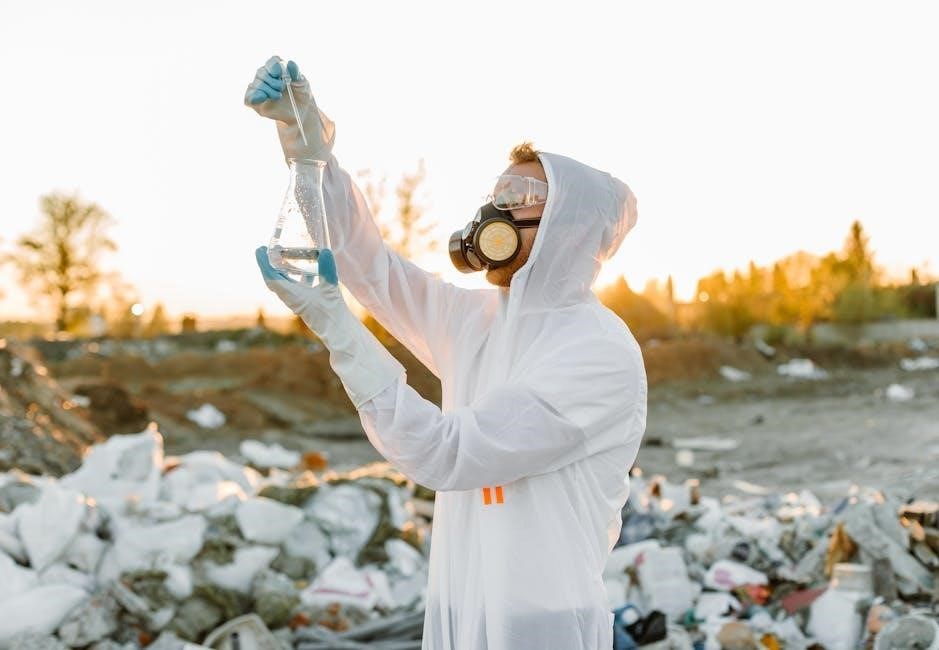
Environmental Laws and Regulations

Environmental laws, such as those enforced by the EPA, establish frameworks for protecting air, water, and soil quality, ensuring sustainable practices and public health․
Key US Environmental Laws (EPA)
The Environmental Protection Agency (EPA) enforces numerous landmark laws crucial for environmental protection within the United States․ The Clean Air Act regulates air emissions from stationary and mobile sources, aiming to improve air quality and public health․
Similarly, the Clean Water Act establishes the basic structure for regulating discharges of pollutants into the waters of the US, safeguarding aquatic ecosystems․
The Resource Conservation and Recovery Act (RCRA) governs the management of solid and hazardous waste, promoting responsible disposal and minimizing environmental contamination․
Furthermore, the Comprehensive Environmental Response, Compensation, and Liability Act (CERCLA), or Superfund, addresses abandoned or uncontrolled hazardous waste sites․ These laws, accessible via EPA․gov, demonstrate a commitment to environmental stewardship and public safety․
International Environmental Agreements
Addressing global environmental challenges necessitates international cooperation, formalized through numerous agreements․ The Paris Agreement, a landmark accord, unites nations in combating climate change by limiting global warming to well below 2 degrees Celsius․
The Montreal Protocol successfully phased out ozone-depleting substances, demonstrating the power of collective action․ The Convention on Biological Diversity (CBD) aims to conserve biodiversity, promote sustainable use of resources, and ensure fair sharing of benefits․
Additionally, agreements like the Ramsar Convention focus on wetland conservation, while CITES regulates international trade in endangered species․ These treaties, though complex, represent vital steps towards a sustainable future, requiring ongoing commitment from participating nations․

Sustainable Practices
Sustainable practices minimize environmental impact, meeting present needs without compromising future generations, encompassing responsible resource management and waste reduction strategies․
Sustainable Agriculture
Sustainable agriculture focuses on farming practices that are environmentally sound, economically viable, and socially responsible, ensuring long-term productivity and resource conservation․
This approach minimizes the use of synthetic fertilizers and pesticides, promoting biodiversity and soil health through techniques like crop rotation and cover cropping․
Water conservation is paramount, utilizing efficient irrigation methods and rainwater harvesting to reduce water usage and prevent runoff pollution․
Integrating livestock with crop production can enhance nutrient cycling and reduce reliance on external inputs, fostering a more resilient and balanced agricultural system․
Ultimately, sustainable agriculture aims to provide food security while safeguarding the environment for future generations, aligning with broader environmental goals․

Waste Management and Recycling
Effective waste management is crucial for minimizing environmental impact, encompassing collection, transportation, processing, and disposal of waste materials․
Recycling plays a vital role, diverting materials like paper, plastic, glass, and metal from landfills, conserving natural resources, and reducing energy consumption․
Composting organic waste, such as food scraps and yard trimmings, creates nutrient-rich soil amendments, reducing landfill volume and promoting soil health․
Reducing waste at the source through mindful consumption and product design is the most effective strategy, minimizing the overall burden on waste management systems․
Proper hazardous waste disposal is essential to prevent soil and water contamination, safeguarding public health and the environment․